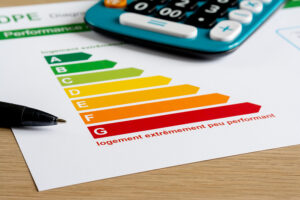
The new EPC assessment rules are now live — here’s what’s changed and what you need to prepare.
With RdSAP 10 originally expected in spring 2024, the long-awaited update finally went live on 15 June. This is the biggest change to EPC software in years. After a month of using the new system, we’re now seeing the impact — particularly for owners of rental portfolios, mixed-use buildings, and residential investments.
The aim? Increased accuracy. But it does come with more data requirements, more time on site, and in some cases, higher assessment fees.
Key Changes at a Glance
Windows
All windows and roof lights must now be measured and inputted individually into the software which enables more accurate results. This does entail more work compared to the previous software where we just had to count the windows and enter the percentage that were double glazed.
➡️ Impact for agents: Properties with 100% double glazing but no known installation date may now rate worse than expected.
Lighting
All bulbs must now be counted and the number of LEDs entered. Whilst lighting doesn’t have a big impact on the energy rating of a domestic property, fitting LED bulbs is one of the cheapest and easiest improvements a homeowner or tenant can make. LED lighting uses much less electricity than old tungsten, halogen or even compact fluorescent lighting so we would always recommend that lighting is upgraded.
➡️ Tip for landlords: LED upgrades are quick, low-cost and improve visual compliance when preparing a property for market.
New Technologies
Solar PV batteries and diverters can now be included in the assessment for the first time. We now also have to check if a smart meter is fitted and if there is an export meter.
➡️ Future-proofing opportunity: Integration of renewables and smart systems, where solar PV, electric cars and heat pumps all work together is now part of the EPC picture. This will benefit newer developments and refurbishments.
Ventilation
This section has been extensively updated with assessors now checking if extract fans are fitted in bathrooms and kitchens. This is an exciting development is that there is now the option to include air pressure test results in the calculations for the first time.
We have found that some properties which have had extensive improvement works struggle to achieve an A or B rating purely down to the default standard ventilation rates used for older buildings. This may be a relatively inexpensive way to bring an older property up to a C rating for the new RdSAP 10 assessments, and we’ll be doing another blog on this later in the year.
➡️ Upgrade advice: Air pressure testing may offer a low-cost way to improve ratings in older or refurbished properties. We’ll cover this in detail in a future blog.
Walls, Roofs, and Floors
There are now enhanced options for the fabric of the building with a broader range of insulation thicknesses now available. This is particularly useful for solid wall and floor insulation where thicknesses below 50mm can now be recorded and included in the calculations.
Room-in-Roof and Recommendations
More detail is now needed in loft conversions and rooms in the roof. Software recommendations are also evolving, with a stronger emphasis on heat pumps for well-insulated properties.
Conclusion
We’re still getting to grips with the new software and there have been some teething issues but are generally pleased with the updates. There doesn’t seem to be a big change in the ratings for a standard property compared to the previous version of the software so it provides continuity.
What Should You Do Now
-
Allow more time for EPC appointments – the process is now more detailed
-
Check documentation for double glazing dates, insulation specs, etc.
-
Budget for slightly higher EPC assessment fees
-
Consider LED and ventilation upgrades as low-cost compliance wins
-
Speak to us early if you’re planning improvement works — we can advise on options that may affect EPC outcomes.